

Gone are the days when supply chains ran on spreadsheets and manual workflows. In today’s fast-paced environment, supply chain automation is essential for staying competitive. According to McKinsey, digitalizing supply chains can reduce operational costs by up to 30%, minimize lost sales by 75%, and shrink inventories significantly within just 2-3 years. Yet, the average supply chain remains only 43% digitized, making automation a high-impact opportunity for CIOs and IT leaders.
From warehouse robotics to automated order processing, modern automation tools reduce manual effort, enhance visibility, and build resilience across operations. Organizations can streamline workflows, integrate legacy systems, and enable real-time data-driven decisions without long development cycles or costly rip-and-replace strategies.
Key Insights
- Understand supply chain automation: It involves using digital tools like AI, robotics, and low-code platforms to streamline processes across inventory, warehousing, logistics, and procurement with minimal human intervention.
- Benefits of automation: Businesses see faster operations, reduced labor costs, improved accuracy, better customer experiences, and enhanced supply chain visibility across partners and systems.
- Real-world applications: From inventory and warehouse automation to logistics and customer service, real-world applications of supply chain automation are streamlining operations, reducing manual effort, and enabling faster, more accurate decision-making.
- Stay future-ready: Trends like ESG compliance, AI-driven forecasting, labor shortages, and disruption planning are shaping the next wave of supply chain automation, pushing companies to modernize for resilience and intelligence.
- Leverage LANSA’s low-code suite: Tools like Visual LANSA, LANSA Composer, and LANSA BI simplify automation, integrate legacy systems, and drive data-driven decisions, without requiring costly rip-and-replace upgrades.
Read on to know more.
What is Supply Chain Automation?
Supply chain automation refers to the use of digital technologies, such as software, sensors, robotics, and artificial intelligence, to streamline and optimize supply chain operations with minimal human intervention. It enables businesses to automate repetitive and manual tasks across procurement, inventory management, logistics, order fulfillment, and more. This includes low code automation platforms that make it easier to digitize processes without heavy development overhead. In fact, manufacturing companies automate 35% of workflows using low‑code solutions, making supply chains faster and more responsive The goal is to increase efficiency, improve accuracy, and enhance end-to-end visibility across supply chain networks.
The evolution of supply chains has moved steadily from paper-based processes and siloed systems to highly integrated, technology-driven ecosystems. In the past, managing inventory or processing shipments relied heavily on manual entry, phone calls, and spreadsheets. Today, automation technologies can trigger replenishment orders, reroute shipments, or update customers in real-time, all without human involvement. This shift is not only about speed and efficiency but also about enabling smarter, data-informed decisions and creating agile systems that can adapt to unexpected disruptions, such as global pandemics or geopolitical events.
Why is Supply Chain Automation Needed?
With the rise of global disruptions, evolving customer expectations, and increasing system complexity, traditional supply chains are under pressure. Automation is no longer optional—it’s a strategic necessity for enhancing efficiency, reducing errors, and building resilient, future-ready operations. Let’s find out how automation helps overcome today’s challenges and unlocks long-term supply chain success.
Enhance Efficiency and Reduce Errors
Automating repetitive tasks, such as inventory updates, order confirmations, and shipment tracking, reduces the risk of human error and speeds up routine processes. This not only improves accuracy but also allows teams to focus on higher-value work that drives strategic growth.
Overcome Limitations of Current Systems
Many organizations still rely on outdated or disconnected systems that create data silos and inefficiencies. Supply chain automation addresses these issues by integrating legacy tools, standardizing workflows, and enabling seamless data exchange across departments and partners. Instead of costly system overhauls, platforms like Visual LANSA’s low-code automation solution support API-first development to modernize operations quickly—without replacing your entire tech stack.
Better Scenario Planning
Let’s face it, unexpected events like COVID-19, sudden supply disruptions, or shifts in consumer demand highlight the need for agile supply chains. Automation supports proactive scenario planning by providing real-time data, predictive analytics, and faster decision-making, allowing businesses to pivot with confidence.
Key Benefits of Supply Chain Automation
As global supply chains become more complex and data-driven, automation is no longer optional; it’s a strategic necessity. From cost savings to improved customer satisfaction, automating core processes unlocks a range of operational and competitive advantages that traditional systems simply can’t match. Read on to find out some of the major benefits of supply chain automation.
More Transparent IT Systems & Operations
Since automation provides real-time visibility into every stage of the supply chain, from procurement to delivery, it eliminates data silos and enables centralized monitoring, helping teams make faster, data-backed decisions.
Enhanced Customer Experience & Satisfaction
With accurate order tracking, faster fulfillment, and fewer delays, customers enjoy a smoother, more reliable experience. Automation also enables proactive communication and personalized service at scale.
Reduced Operational Costs
By minimizing manual effort and streamlining workflows, supply chain automation cuts down labor costs, reduces errors, and lowers overhead. Moreover, it also improves resource allocation, which directly impacts the bottom line.
Faster Operations
Tasks that once took hours, like processing orders or updating inventory, can now be completed in minutes. Automation accelerates the overall supply chain cycle, increasing responsiveness and delivery speed.
Improved Data Security
Automated systems are less prone to human errors that can lead to data breaches. With built-in controls, audit trails, and compliance features, automation strengthens supply chain data integrity and security.
Increased Productivity
Last but certainly not least, automation allows employees to focus on strategic and high-impact work rather than repetitive tasks. This boosts overall output, shortens lead times, and enhances team efficiency.
Examples of Supply Chain Automation
Automation spans every stage of the supply chain, from procurement and production to logistics and customer service, reshaping how organizations manage complexity and scale operations. These technologies reduce manual workloads, enable real-time data flow across systems, and help companies adapt quickly to changing market demands. The following areas highlight where automation is creating measurable improvements in speed, accuracy, and cost-efficiency.
Warehouse Automation
From robotic pick-and-pack systems to conveyor belts and autonomous forklifts, warehouse automation boosts throughput and accuracy. These technologies reduce human error, enhance safety, and enable faster handling of large order volumes, especially during peak seasons.
Manufacturing Automation
Automation in manufacturing includes programmable logic controllers (PLCs), robotics, and machine vision systems that ensure consistent quality and reduced downtime. Smart manufacturing also enables predictive maintenance, improving equipment lifespan and minimizing unexpected disruptions.
Transportation and Logistics Automation
Automation in transportation and logistics helps streamline complex processes like shipment scheduling, load optimization, and real-time vehicle tracking. These tools reduce delays, improve delivery accuracy, and ensure better coordination across carriers, warehouses, and distribution centers.
Inventory Management
Automated inventory systems use real-time data, barcode scanning, and IoT-enabled sensors to provide accurate visibility into stock levels, reduce shrinkage, and improve reordering efficiency. This minimizes stockouts and overstock scenarios, improving overall supply chain responsiveness.
Order Processing Automation
Automated order management systems streamline everything from purchase order creation to invoicing. This reduces manual data entry, speeds up the sales cycle, and improves order accuracy, critical in maintaining customer satisfaction in high-volume operations. Tools like LANSA Composer make this process even more efficient by enabling low-code automation of order flows across internal and external systems. It simplifies tasks like generating purchase orders, transforming data formats, and handling partner communications, all without deep coding expertise.
Office Administration Automation
Routine tasks like data entry, procurement requests, compliance reporting, and payroll are increasingly handled by robotic process automation (RPA) tools. This frees up valuable time for administrative teams and enhances consistency across internal processes.
Customer Service
Automated customer service systems, such as chatbots and intelligent IVRs, handle common queries and service requests instantly. These tools improve response time, enhance customer satisfaction, and free up human support teams to focus on high-priority or complex issues.
Future Trends in Supply Chain Automation
As global supply chains grow more complex, volatile, and digitally connected, automation is moving beyond cost-cutting to become a strategic enabler. The next wave of automation will be defined by its ability to drive resilience, sustainability, and intelligence across the supply chain. Below are the most critical trends that will shape how companies automate and modernize their supply chains in the years ahead.
Automation to Meet ESG and Sustainability Goals
Environmental, social, and governance (ESG) priorities are becoming central to supply chain strategy. In the future, automation will play a key role in enabling sustainable operations—through real-time emissions tracking, optimized resource consumption, and automated compliance reporting. These tools will empower companies to meet increasingly stringent sustainability regulations and consumer expectations.
Workforce Automation in Response to Labor Shortages
Labor shortages and an aging workforce are pressuring logistics and manufacturing sectors globally. Automation will increasingly fill these gaps by taking over manual, repetitive, or hazardous tasks, ensuring business continuity, boosting output, and maintaining safety without relying on human availability alone.
AI-Powered Decision Intelligence
Artificial intelligence will become deeply embedded in supply chain automation, driving smarter forecasting, anomaly detection, and real-time decision-making. By processing large, unstructured datasets from across the value chain, AI will power predictive models that reduce waste, optimize planning, and improve service levels.
Automation for Resilience and Scenario Planning
Future-ready supply chains must be built to withstand disruptions, from pandemics to geopolitical events and climate risks. Automation tools that support scenario modeling, digital twins, and real-time alerts will help businesses proactively simulate risks and adapt quickly to changing conditions with minimal operational fallout.
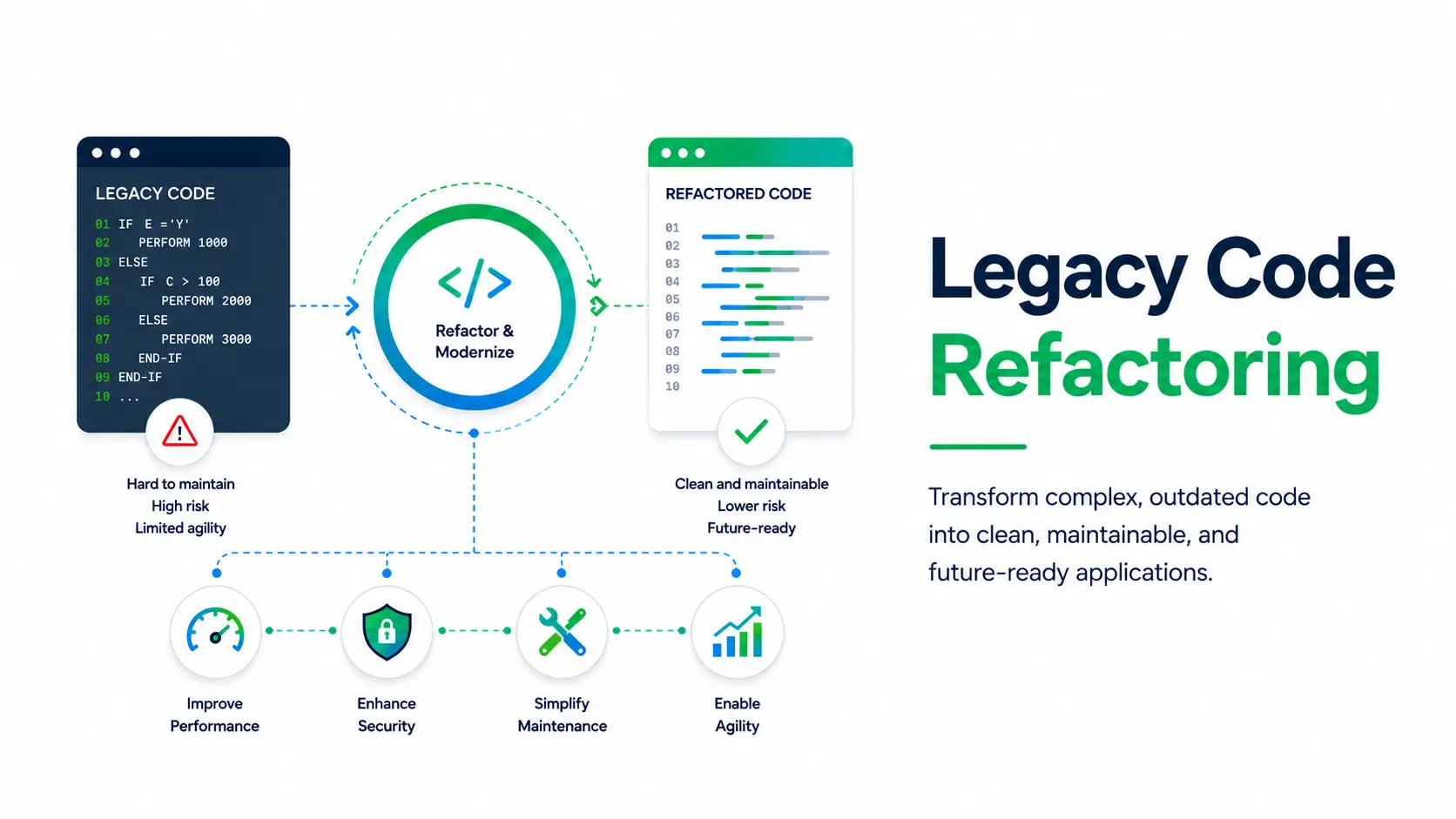
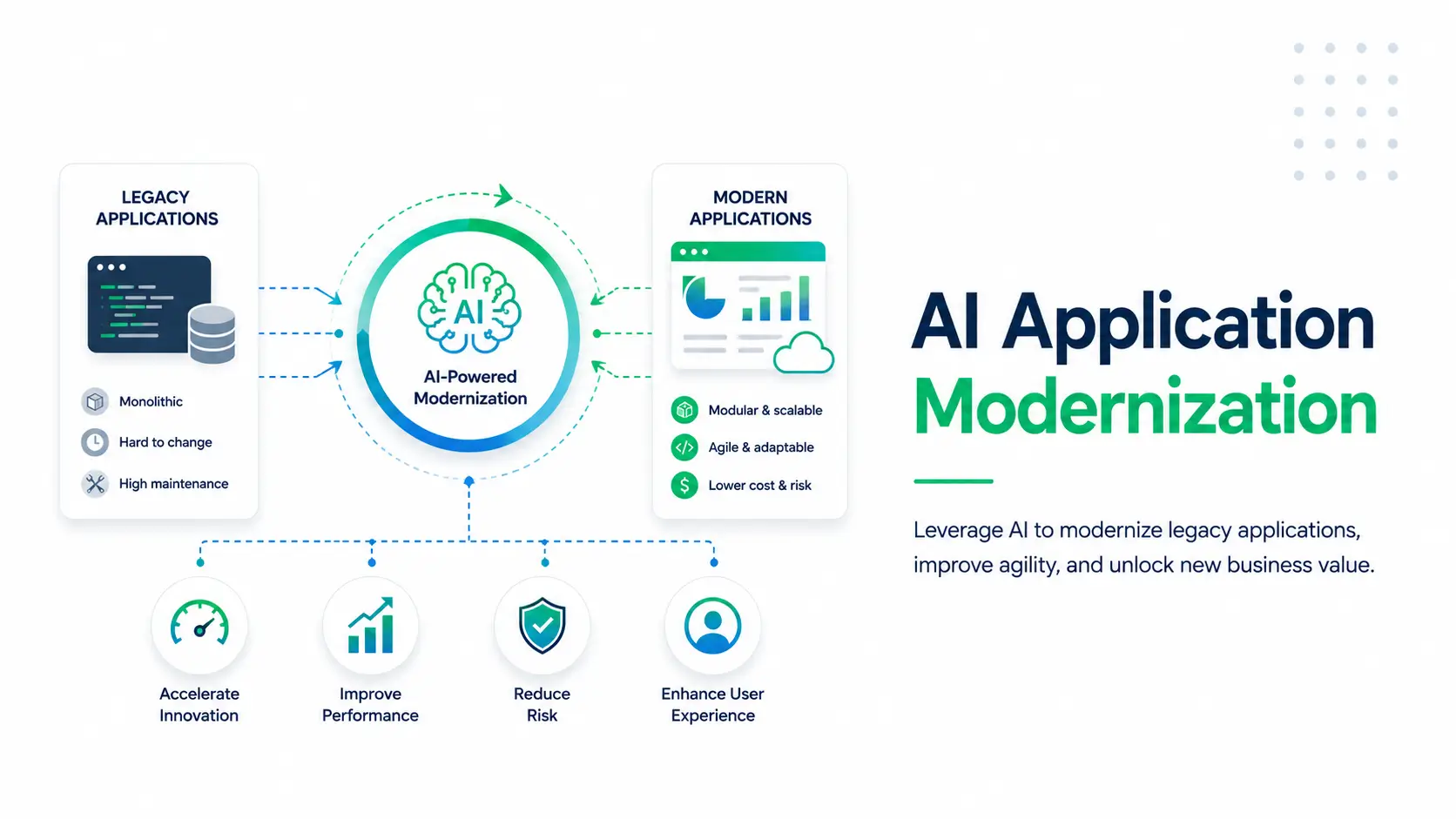
Legacy System Modernization Through Automation
The shift toward connected, API-driven infrastructure will push companies to modernize outdated ERP and supply chain systems. Automation, especially via low-code tools, will ease this transition by enabling data integration, automated workflows, and scalable system upgrades without complete rip-and-replace overhauls. To explore this topic in depth, watch this LANSA webinar on the four pillars of digital supply chain transformation.
Supply Chain Automation Tools
Modern supply chains demand integrated, scalable tools that simplify complex processes and enable seamless automation. LANSA offers a suite of solutions designed to meet these challenges across different levels of the supply chain.
Visual LANSA
Visual LANSA is a comprehensive low-code development platform that enables rapid modernization of enterprise applications. Beyond just building new solutions, it allows businesses to extend and transform legacy systems by wrapping them in modern interfaces, integrating with APIs, and enabling seamless data flow across cloud and on-premise environments. With built-in support for cloud deployment, hybrid architectures, and secure cross-platform delivery, Visual LANSA empowers organizations to digitize their supply chain operations, accelerate development cycles, and adapt quickly to evolving business needs, all without the need for a full infrastructure overhaul. For example, Distribution Solutions Inc. used Visual LANSA to automate complex backend distribution workflows, cutting down manual labor and improving operational efficiency without replacing their core systems.
LANSA Composer
LANSA Composer is a powerful process integration and automation tool that simplifies supply chain workflows without the need for extensive coding. It allows users to design and execute business processes, such as EDI handling, data transformation, and system-to-system integration. A great example is the CBH Group, which used LANSA to automate and modernize their grain supply chain operations. By leveraging LANSA Composer and low code automation, they streamlined data exchange, enhanced real-time visibility, and significantly reduced manual intervention. This helps eliminate manual data entry, reduce processing time, and ensure consistent communication between internal systems and external partners.
LANSA BI
LANSA BI brings real-time business intelligence and analytics to the forefront of supply chain management. Its intuitive dashboards and data visualizations provide actionable insights into operations, inventory levels, supplier performance, and demand fluctuations, enabling data-driven decision-making and improved forecasting. Additionally, LANSA BI can support ESG tracking by visualizing data related to emissions, energy usage, and sustainability metrics. This empowers organizations to monitor their environmental impact and align supply chain strategies with ESG goals, driving continuous improvement across both performance and compliance dimensions.
Conclusion
In today’s increasingly complex and fast-moving supply chain landscape, automation is no longer optional; it’s a strategic necessity. From minimizing manual errors and accelerating operations to enhancing end-to-end visibility, supply chain automation delivers tangible ROI across every logistics function.
With low-code platforms like Visual LANSA, building custom automation workflows, dashboards, and integration layers becomes faster, more agile, and cost-efficient. Visual LANSA empowers businesses to modernize legacy systems, create scalable supply chain applications, and embed real-time analytics, all within a unified development environment.
Complementing this, LANSA Composer simplifies B2B data exchange and process automation, while LANSA BI brings decision-making clarity with intuitive, actionable dashboards.
Ready to future-proof your supply chain? Contact us today to see how Visual LANSA and the LANSA suite can help you build intelligent, integrated automation solutions tailored to your operational goals.
References
[1] “Supply Chain 4.0 – the next-generation digital supply chain,” McKinsey & Company, Jun. 10, 2018. https://www.mckinsey.com/capabilities/operations/our-insights/supply-chain-40–the-next-generation-digital-supply-chain?
[2] “120+ No-Code/Low-Code Statistics and Trends That You Need to Know in 2025,”
Userguiding.com, 2025. https://userguiding.com/blog/no-code-low-code-statistics?