

With the advent of smartphones, mobile apps have become an indispensable part of daily life. Mobile apps have revolutionized the way we interact with the world, conduct business, and consume information. From entertainment to healthcare, mobile apps serve a broad range of purposes, transforming industries and enhancing user experiences. For businesses, developing mobile apps has become essential to stay competitive and meet the evolving customer demands. However, building a mobile app comes with significant challenges, including choosing the right technology, ensuring cross-platform compatibility, and maintaining high performance and robust security—all while staying within budget and meeting tight deadlines.
The mobile app development lifecycle includes stages such as research, planning, design, development, testing, deployment, and maintenance. Whether you’re an IT manager, developer, or business executive, understanding these stages is crucial for a smooth development process and a high-quality product that aligns with user needs and business goals.
Key Insights
- Mobile apps are vital tools for businesses to engage customers, streamline operations, and stay competitive. However, creating a mobile app is a complex task with various challenges.
- Selecting the right mobile app development approach– native, cross-platform, hybrid, or progressive web app can directly influence the app’s performance, features, and budget.
- Each phase of the mobile application development lifecycle, from initial planning to deployment, plays a critical role in delivering a high-quality app that meets user expectations and business objectives.
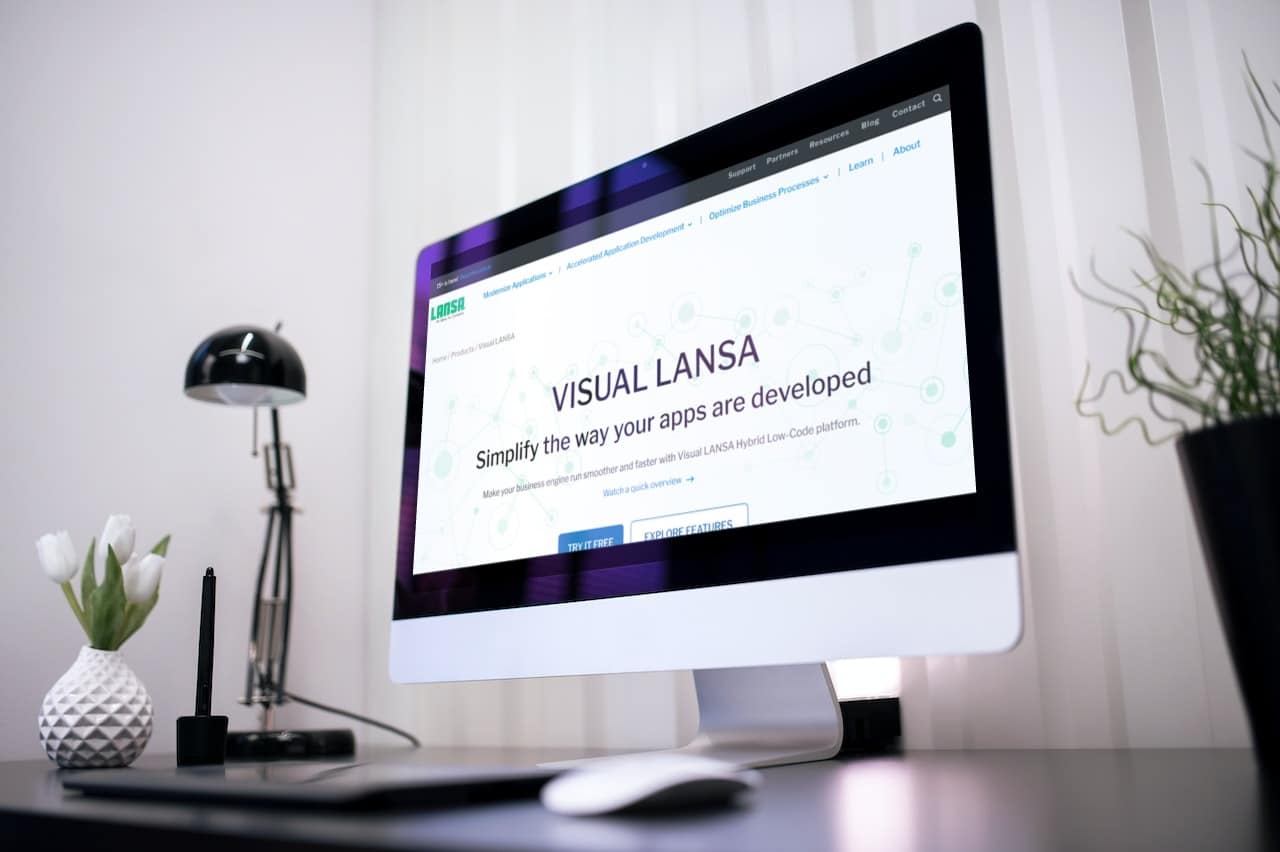
- By leveraging a low-code platform like Visual LANSA, businesses can accelerate the development process while ensuring top-notch quality, seamless user experience, and faster time to market.
What is Mobile Application Development?
Mobile application development refers to the process of creating a software application that can run on a mobile device. Generally, a mobile app makes use of a network connection to make use of remote computing options. Therefore, the mobile app development process involves building software bundles, implementing backend services like data access with an API, and testing the app on different target devices.
Mobile apps can be developed for different platforms; each platform comes with its own set of tools and technologies. The most widely used platforms for mobile app development include:
- iOS: It is one of the most popular mobile application development platforms. iOS app development focuses on creating mobile apps exclusively for Apple devices like iPhones and iPads. Developers utilize tools like Xcode and programming languages such as Swift and Objective-C to develop iOS apps.
- Android: Android dominates the global market share for mobile apps, making it one of the most popular development platforms for devices running the Android operating system. Developers commonly use programming languages like Java or Kotlin, along with Android Studio, to build apps for a diverse range of devices from various manufacturers.
- Cross-Platform: Cross-platform development allows developers to create apps for both iOS and Android platforms with a single codebase. Frameworks like React Native are used to develop cross-platform apps.
Mobile Application Development Approaches
When it comes to choosing the best approach for mobile app development, it depends on the unique goals and objectives of a business. Below are the key mobile app development stages approaches that developers utilize:
Native App Development
Native apps are designed for one specific operating system, such as iOS or Android, using platform-specific programming languages and frameworks. These apps can take full advantage of all the device features. They can use the camera, GPS, accelerometer, and more but require separate development efforts for each platform.
Cross-Platform App Development
The cross-platform app development approach allows developers to write code once and reuse it for both Android and iOS apps. Developers can leverage a range of various programming languages and frameworks for development.
Hybrid App Development
A hybrid app is the perfect blend of a native app and a web app. Developers utilize technologies like JavaScript, HTML5, and CSS for hybrid app development. The apps are wrapped in a native web container, enabling them to operate on multiple platforms
Progressive Web Apps (PWAs)
A progressive web application (PWA) is a web application that provides a native app-like user experience. Users do not need to install a separate app for PWAs as they run on the web. They can work offline without any internet connection and are highly secure and cost-effective.
Each approach has its own advantages. However, the right choice depends on your needs, budget, features, and goals. You need to dive deeper into the key differences and choose the best approach for your project needs.
If you are not sure whether native or hybrid apps are the most suitable for your business, check out LANSA’s guides comparing:
Mobile App Development Lifecycle: 10 Key Stages
The app development lifecycle provides a structured approach from concept to deployment and maintenance. By understanding each stage, teams can ensure efficiency, manage resources, and deliver high-quality mobile apps. Below are the key stages of the mobile development lifecycle.
Research & Planning
This is the foundational stage of the mobile app development lifecycle process. It involves defining the app’s purpose, target audience, and goals. This stage also includes analyzing market trends, competitor research, and creating strategies for the app’s success.
Requirements Analysis
During the requirement analysis stage, the development team gathers and analyzes the requirements of the mobile application. This includes defining essential features, technical specifications, and both functional and non-functional requirements based on research and planning.
Technical Feasibility Assessment
Once you have a clear understanding of our app’s requirements, you need to evaluate the technical feasibility of your project. This involves selecting the right technology stack, ensuring compatibility with the development platform (iOS and Android), and addressing technical issues such as integration and security. Taking these steps will help ensure a seamless development process and a high-performance app.
Wireframes Design
In this step, the development team starts by creating a wireframe that outlines the app’s structure and user flow. This serves as a blueprint to visualize the layout and functionality before the actual design phase begins.
Prototyping
Once wireframes are designed, the next step is to create a prototype. The prototype is a more interactive and detailed version of the wireframes, showcasing the app’s look and feel. Prototyping allows stakeholders to review the user workflows, test the app’s functionality, and provide feedback to refine the mobile app’s design and user experience before starting the full-scale app development process.
Application Design
With a prototype in hand, designers focus on creating a visually appealing, intuitive, and easy-to-navigate user interface (UI) and user experience (UX) while ensuring that it aligns with the brand and user expectations.
Development
In the development stage, the actual coding of the mobile app begins. Developers utilize programming languages like Java, Swift, or Kotlin, depending on the platform, to build the app’s features and functionality.
Development teams often leverage low-code development frameworks, like Visual LANSA, to streamline development while maintaining high quality and ensuring a faster time to market. With its intuitive interface and powerful features, Visual LANSA helps businesses build high-performance mobile apps quickly, empowering developers to focus on innovation and meet user needs without compromising on quality.
Testing
Once the coding is complete and features are implemented, the app undergoes rigorous testing to identify and fix any bugs and issues. Testing ensures seamless performance in any environment and offers a smooth user experience.
Deployment
Once the testing is complete, you can prepare to launch the app on the respective app stores, such as the Play Store and Apple App Store. The deployment process includes submitting the app for review and ensuring it meets all the platform guidelines and privacy policies.
Maintenance and Updates
After the app is deployed, ongoing maintenance and regular updates are required to ensure smooth performance. This includes fixing any performance issues, adding new features, and ensuring compatibility with the latest mobile operating system.
Conclusion
In today’s rapidly evolving digital landscape, developing mobile apps has become a necessity to stay ahead of competitors. However, the lifecycle of app development is a detailed process that requires careful planning and execution to deliver an app that meets business goals and user expectations.
Whether you’re looking to develop a new mobile app from scratch or modernize an existing one, tools like Visual LANSA can streamline the mobile application development phases. This professional low-code development solution empowers developers to create engaging, secure, and high-performance applications effortlessly.
Contact us today to discover how Visual LANSA simplifies and accelerates the development of high-quality mobile applications, helping you meet today’s business needs. Watch the Visual LANSA webinar to learn how it can help transform your app development lifecycle.
Learn how to Simplify Mobile Development with LANSA’s Webinar.